Introduction: Why Proprietary CMS Matters for Large Media Enterprises
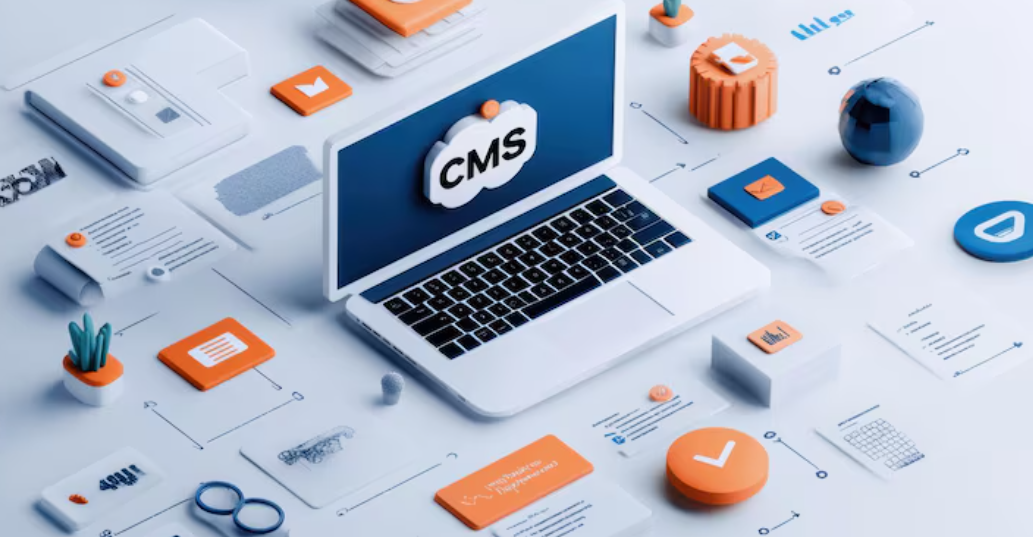
Large media companies, global publishers, broadcasters, and digital media networks require more than a basic or open-source CMS. They need enterprise-grade infrastructure: scalable performance, robust security, digital asset management, workflow governance, multi-site and multi-language support, marketing and personalization integration, and enterprise-level support. Proprietary CMS solutions are designed to meet these needs. When properly implemented, they act not only as a content repository but as a full-stack backbone for content operations, distribution, monetization, and brand management.
What Makes a CMS “Enterprise-Level and Proprietary”
An enterprise proprietary CMS typically offers:
- Comprehensive content and digital asset management (DAM) for articles, images, videos, and audio.
- Multi-site, multi-language, and multi-region support for global publishing.
- Advanced workflow, user permissions, version control, and governance for large editorial teams.
- Integration with marketing, analytics, personalization, and monetization tools.
- High performance, scalability, and reliability under heavy traffic.
- Professional support, SLAs, and vendor-managed infrastructure.
Top Proprietary CMS Platforms for Media Companies
Adobe Experience Manager (AEM)
AEM is a feature-rich enterprise CMS for media companies that offers digital asset management, content workflows, multi-site and multi-language support, personalization, and integration with marketing and analytics tools. Its drag-and-drop page building and component-based layouts make it ideal for large media enterprises with complex multimedia needs.
Sitecore Experience Platform
Sitecore combines content management with advanced customer experience tools, including personalization, A/B testing, segmentation, and campaign orchestration. Its hybrid architecture allows media companies to manage content and deliver it across web, mobile, and other channels while leveraging marketing automation.
Kentico Xperience
Kentico Xperience offers a hybrid CMS with built-in marketing and campaign tools. It is suitable for mid- to large-scale media companies that combine content publishing with subscription, e-commerce, or digital product offerings. Its flexible architecture supports both traditional web publishing and headless delivery.
Contentful (Proprietary SaaS Headless CMS)
Contentful is a commercial headless CMS that provides API-driven content management. It enables multi-channel publishing across websites, mobile apps, OTT platforms, and more. It is ideal for media companies that require centralized content management, scalability, and flexibility for omnichannel distribution.
Why Proprietary CMS Are Recommended for Media Companies
- Enterprise-grade governance and support ensures reliability and uptime.
- Integrated DAM and workflows handle large volumes of multimedia assets efficiently.
- Multi-site, multi-region, and global publishing support is ideal for international media brands.
- Built-in marketing, personalization, and monetization tools help maximize revenue.
- Scalability and performance meet the demands of high-traffic, content-rich sites.
Considerations Before Choosing a Proprietary Enterprise CMS
- Cost: Licensing, hosting, implementation, and maintenance can be expensive.
- Complexity & Implementation Time: Deployment may take months and require technical teams.
- Flexibility vs Vendor Lock-in: Proprietary CMS may tie you to specific ecosystems.
- Technical Requirements: In-house or partner support is often necessary for updates and scaling.
- Future Growth Alignment: Choose a CMS that supports global reach, multi-channel publishing, monetization, and multimedia needs.
Conclusion: Proprietary Enterprise CMS as a Strategic Investment
For large media companies and global publishers, a proprietary enterprise CMS is more than a tool—it’s a strategic foundation. Platforms like Adobe Experience Manager, Sitecore, Kentico Xperience, and Contentful provide powerful content management, asset handling, multi-channel delivery, marketing and personalization integration, and scalability. With proper planning and resources, these CMS solutions streamline operations, support growth, and help deliver consistent, high-quality content worldwide.
