

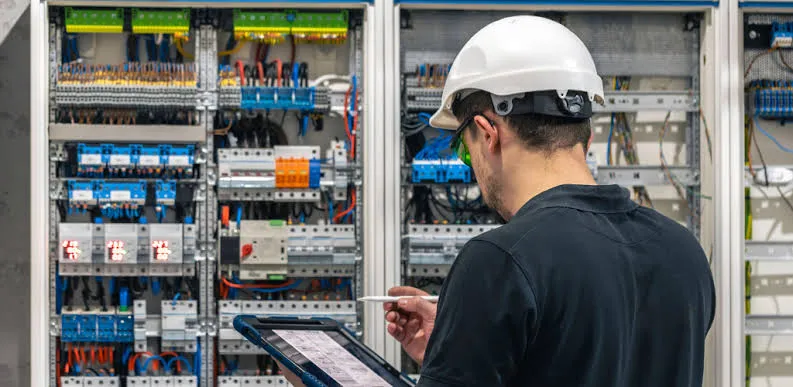
Every business runs on electricity, yet few owners think about their electrical system until something fails. A flickering sign, a dead outlet, or a tripped main can halt sales within minutes. Working with a commercial electrician Beloeil owners can rely on turns that risk into a managed, predictable expense. This article looks at where the value lies. The ideas suit shops, offices and rental properties alike.
The Hidden Cost of Downtime
When power fails, the loss is not only the repair bill. Lost sales, idle staff and unhappy customers add up quickly. Even a single hour offline during a busy period can cost more than a year of preventive care. Owners rarely add this up in advance. Prevention is cheaper.
Most failures give warnings first. Warm panels, buzzing fixtures and nuisance trips point to developing problems. A scheduled inspection finds them on your terms, ideally outside opening hours, rather than in the middle of a rush. Early fixes rarely disturb customers. Think of it as insurance that actually prevents losses.
Smart Controls That Cut Bills
Heating, cooling and lighting often make up the largest share of a commercial energy bill. Smart controls trim that waste without making anyone uncomfortable. Scheduling alone can save meaningful money in spaces that sit empty overnight and on weekends. The savings begin the first month. Controls pay for themselves quickly.
A professional thermostat installation ensures the device matches your equipment’s voltage and wiring. Zoning lets different areas run on different schedules, so a storage room does not heat like a showroom. Remote access helps managers adjust settings without driving in. Correct wiring avoids damaged equipment. Compatibility is worth checking first.
Lighting That Pays You Back
Upgrading to efficient fixtures reduces consumption and cuts maintenance, since quality lamps last far longer. Good light also affects how customers see your products and how employees feel at work. Brighter, even lighting improves safety in aisles and parking areas. The return shows up in several places. Replacement cycles shrink dramatically.
Sensors and timers add another layer. Lights in hallways, washrooms, and storage areas need not burn all day. Photocells can switch exterior lighting at dusk automatically, which keeps the property welcoming without wasting energy. Small automation delivers steady savings. Ask for a payback estimate before approving the work.
Planning Work Around Operating Hours
Disruption worries most owners more than the cost. Good contractors plan jobs for evenings, weekends or slow periods, and they stage the work in phases. You keep serving customers while upgrades continue in the background. Share your busiest times during the first meeting. Honest scheduling avoids surprises.
Clear communication matters on site. Ask who will lead the job, how long each phase takes and how power shutdowns will be announced. A tidy crew that cleans up daily protects your image as well as your floors. Written timelines reduce misunderstandings. Good habits show professionalism.
Compliance and Inspections
Commercial spaces face stricter requirements than homes. Emergency lighting, exit signs, grounding and labelling all matter during inspections. Failing one can delay an opening or trigger costly corrections. Know the rules before you renovate. A knowledgeable contractor reviews them early. Surprises late in a project are expensive.
Insurers and landlords may also request proof that work meets code. Keep permits, test results and drawings in one folder. Good records speed up claims, lease renewals and any future sale of the property. Digital copies are even better. Documentation is an asset on its own.
Choosing a Long-Term Partner
Look for a contractor who asks questions about your operations before quoting. Understanding your equipment and schedule leads to better recommendations. A seller of quick fixes rarely thinks about next year’s needs. Seek partners, not one-off vendors. Good partners tell you when something can wait. Chemistry matters over the long run.
Check licensing, insurance and references from similar businesses. Ask about emergency response times and after-hours availability. A relationship built before a crisis means you are a known client when the phone call is urgent. Fair, written quotes are a good sign. Priority treatment often follows loyalty. Start the conversation early.
Keep Your Business Running
Reliable electrical systems quietly support every sale, every shift and every customer visit. Preventive checks, smart controls, efficient lighting and proper documentation protect that foundation. Each improvement reduces risk while lowering running costs. It is a rare win-win for owners. Invest steadily and avoid emergencies.
To talk through your property and get a free estimate, visit electrivolt.ca/en. A first conversation costs nothing and could prevent your next costly interruption. Plan today for a smoother tomorrow. Reach out whenever you are ready. Your customers will never notice, and that is the goal.
