

 Walking to the kitchen, climbing stairs, stretching after work, or taking a short evening stroll may seem like ordinary activities. Yet these movements involve processes that help the body function throughout the day. One of them is lymph circulation, which supports fluid balance and immune function.
People exploring lymphatic drainage services may wonder how the lymphatic system works and whether daily movement influences it. Understanding the relationship between lymph vessels, muscle contractions, and physical activity can help separate normal body functions from claims sometimes made about wellness treatments.
The Lymphatic System Has Several Important Functions
The lymphatic system is a network of vessels, lymph nodes, and organs that helps maintain fluid balance and supports immune responses. It collects excess fluid from body tissues and eventually returns it to the bloodstream. Lymph nodes also participate in immune surveillance, helping the body respond to certain infections and other threats. The system is therefore involved in much more than the temporary appearance of swelling.
Unlike blood circulation, which is driven by the heart, lymph movement depends on several mechanisms, including pressure changes, vessel contractions, and surrounding muscle activity. These processes operate continuously as part of normal physiology.
Muscle Movement Helps Lymph Travel
When skeletal muscles contract during everyday activities, they can compress nearby lymphatic vessels. One-way valves within many lymph vessels help direct fluid movement rather than allowing it to flow freely backward. Walking, moving the arms, and performing other suitable activities can contribute to this natural process. Breathing-related pressure changes also play a role in lymph movement.
This does not mean people need a complicated exercise program to keep a healthy lymphatic system functioning. For most individuals, ordinary physical activity is one component of normal bodily function. Persistent swelling or other unusual symptoms should not automatically be attributed to insufficient movement.
Exercise and Aesthetic Treatments Have Different Goals
Physical activity supports cardiovascular health, mobility, strength, and general wellbeing. Some exercise programs also focus on improving muscle development or physical performance. People researching muscle toning may encounter aesthetic services intended to influence muscle appearance. These should be distinguished from ordinary exercise and from medically indicated treatments for lymphatic conditions.
A cosmetic procedure should not be assumed to improve lymphatic health simply because it involves muscle stimulation. The intended effects, contraindications, and limitations of any professional service should be explained by a qualified provider before treatment.
Swelling Can Have Several Different Causes
Temporary swelling may occur for various reasons, including prolonged standing, certain injuries, or other circumstances. However, swelling can also be associated with medical conditions requiring assessment. Lymphedema, for example, involves impaired lymphatic drainage and may require specialized management. It should not be treated as an ordinary cosmetic concern.
Persistent, unexplained, or worsening swelling deserves medical attention. Sudden swelling, particularly when accompanied by pain, redness, chest discomfort, or breathing difficulties, may require urgent evaluation. Understanding these distinctions is important because wellness services cannot replace diagnosis or appropriate medical treatment.
Professional Drainage Techniques Have Specific Uses
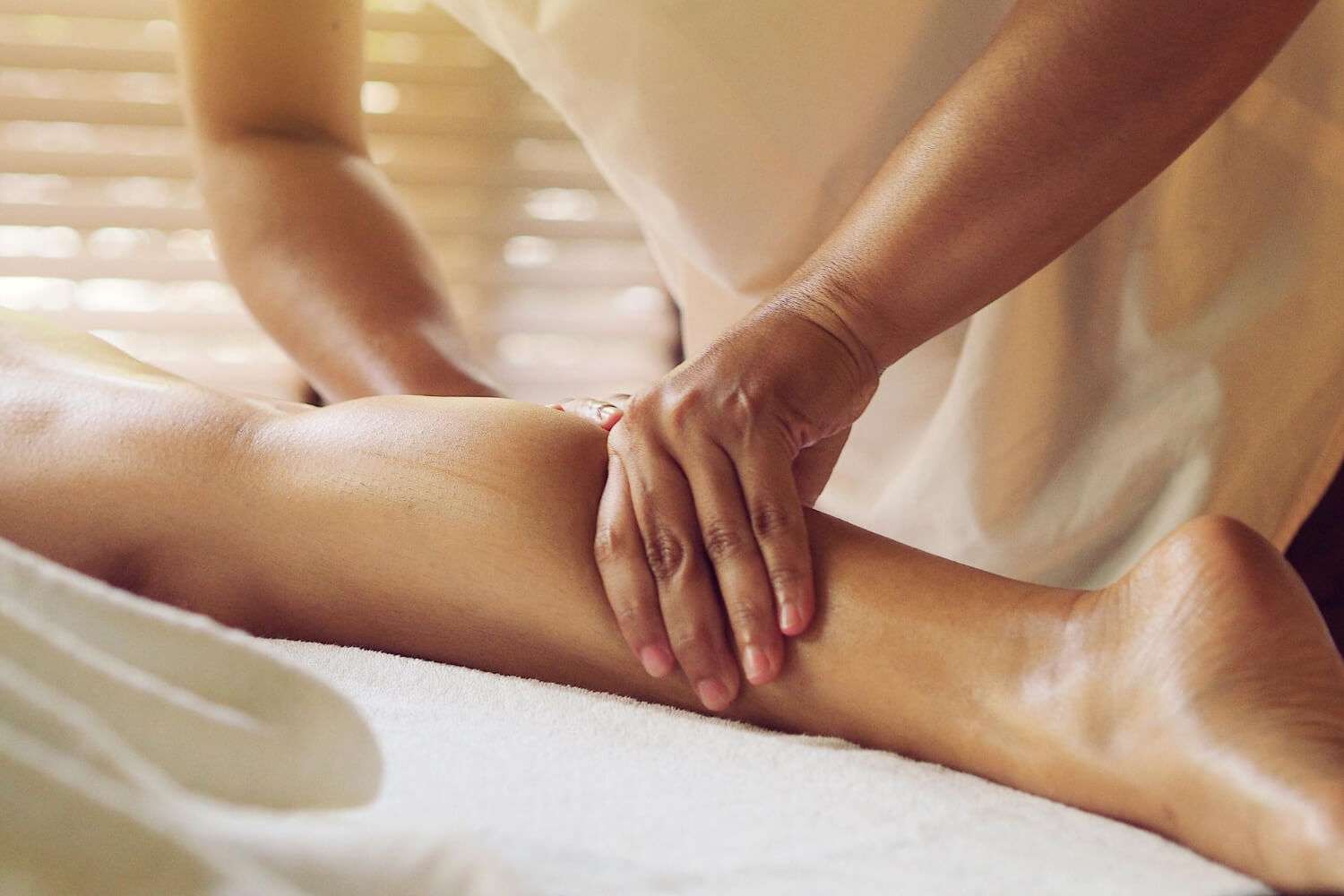
Manual lymphatic drainage is a specialized technique used in certain clinical circumstances, including some lymphedema management programs. Its appropriateness depends on the person’s condition and relevant medical guidance. Wellness businesses may also offer services described using similar terminology, but these should not automatically be considered equivalent to clinical treatment.
Claims about eliminating toxins, producing permanent weight loss, or treating unrelated medical conditions should be approached cautiously. Anyone considering professional drainage techniques should understand the provider’s qualifications, the purpose of the service, and whether medical assessment is necessary before proceeding.
Everyday Habits Support General Wellbeing
A balanced routine can include regular movement, appropriate rest, adequate hydration, and physical activity suited to individual health and mobility. People who spend long periods sitting may find it practical to introduce short walking breaks or changes of position throughout the day.
These habits support general health without requiring claims that they dramatically accelerate lymph circulation or remove harmful substances from the body. Individuals managing medical conditions should follow advice from their healthcare professionals when determining suitable activity levels. The goal is consistency and overall wellbeing rather than trying to control one body system through a rigid daily routine.
Conclusion
The lymphatic system plays an essential role in fluid balance and immune function, with muscle contractions and other natural mechanisms contributing to lymph movement. Everyday physical activity can support general health, but it should not be confused with specialized clinical treatment or cosmetic services. Professional drainage techniques have particular applications and limitations, making appropriate assessment important when symptoms are present. By understanding normal lymphatic function and recognizing when swelling requires medical attention, individuals can make more informed wellness decisions without relying on exaggerated claims about detoxification or body transformation.
