

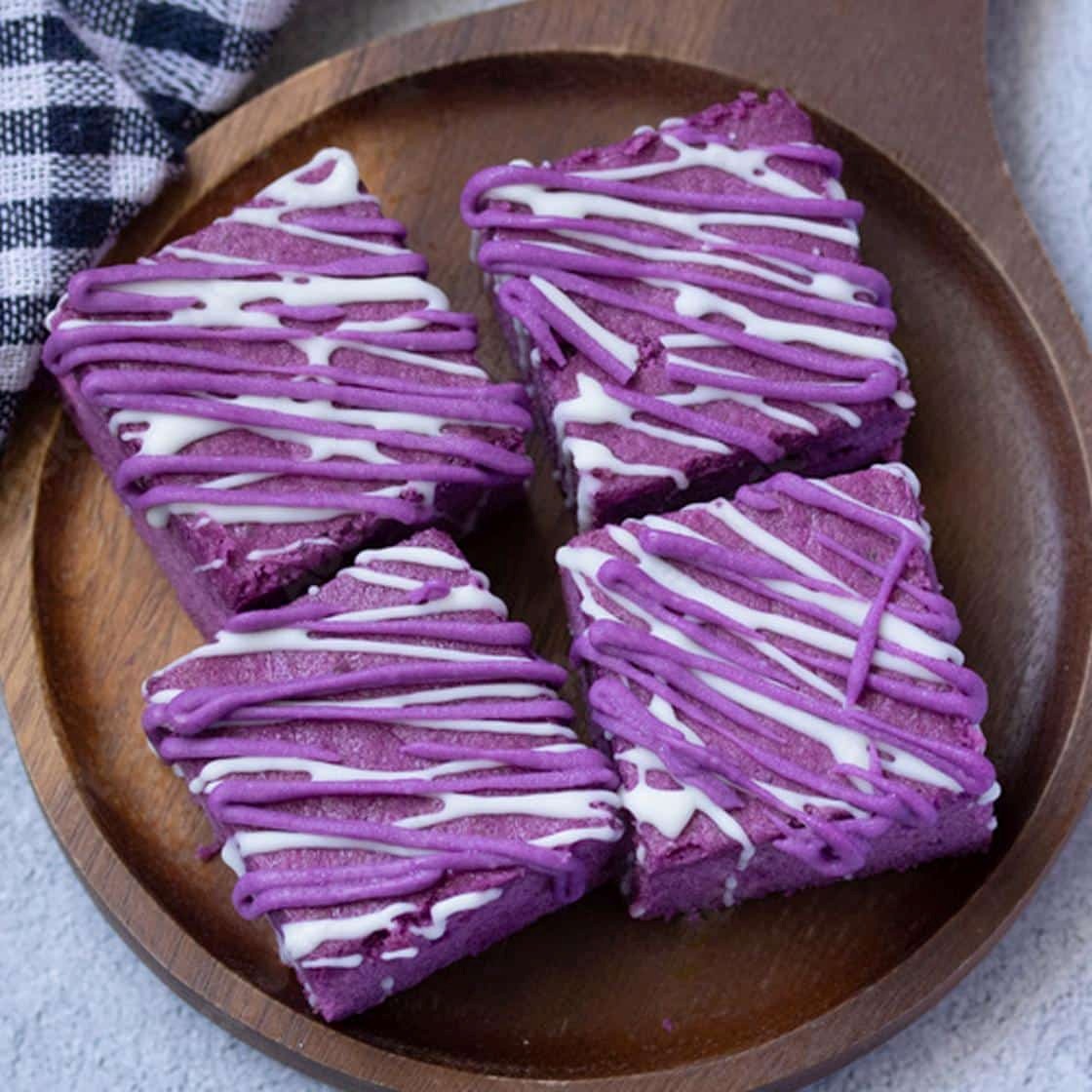
Purple can be surprisingly difficult to describe during food development. One person sees grape purple, another expects a dark berry shade, while someone else has a lighter violet in mind. All three may use the same word.
That difference is only the beginning. Once naturally derived color enters a real formulation, acidity, processing, and the product’s existing appearance can influence the result. A promising laboratory sample therefore needs to prove itself inside the food rather than simply looking attractive in a cup.
Put a Real Color Target on the Table
Start with something everyone can actually see.
A physical reference, approved sample or carefully selected color standard gives the development team a shared target. Descriptions such as “rich purple” are useful in conversation but too open to interpretation when several trials are being compared.
Keep the approved reference nearby throughout development. It prevents the target from slowly changing as people become accustomed to each new batch.
Remember What the Base Already Contributes
A color ingredient does not enter an empty visual space. The food may already be cream, yellow, brown or slightly pink.
When testing purple color for food, prepare an uncolored version of the complete recipe as well. Place it beside the coloured trial.
That simple comparison can reveal why a dosage that looked strong in a clear laboratory test appears much softer in the finished product. Opaque ingredients and naturally coloured components can change the way the eye perceives the final shade.
Acidity Can Become Part of the Color Story
Many naturally derived purple and red shades are associated with anthocyanin pigments. One interesting characteristic of anthocyanins is their sensitivity to pH.
That makes acidity particularly relevant during development. A color tested under one pH condition should not automatically be expected to look identical if acids or other formulation components are later changed.
Measure and record the conditions of successful trials. If the product development team subsequently adjusts acidity for flavor or another technical reason, check the color again instead of assuming nothing else has moved.
Test the Ingredient Where It Will Actually Be Used
A beverage, gummy and dairy-style product present very different environments.
Developers evaluating Sweet Potato Concentrate should therefore avoid selecting an option purely from a shade seen in a simple solution. The real recipe provides much more useful information.
Add the color at the intended production stage and observe how evenly it disperses. If heating or another processing step is involved, evaluate the product after that step too.
The color that matters is the one left when manufacturing is finished.
Do Not Correct Every Difference With More Color
When a batch looks weaker than expected, adding more coloring ingredient is an obvious reaction. Pause before doing it.
Check whether the base recipe changed. Compare pH, ingredient quantities and processing notes with the previous successful batch. Even viewing conditions can make two identical samples appear slightly different.
Changing dosage should be a deliberate adjustment, not the automatic answer to every visual difference.
Give Packaging a Role in the Trial
Development does not end when the product leaves the mixer.
Light exposure, storage temperature and time can affect the appearance of naturally coloured products. Put stability samples into packaging that reasonably represents the intended commercial format and review them at planned intervals.
Photographs can help document changes, but use consistent lighting. A phone camera beside a sunny window is not a reliable color measurement system.
Take the Reference Into Scale-Up
Commercial equipment changes the working environment. Mixing times become longer, batch sizes increase, and ingredient additions may happen differently.
Keep the approved development sample or an appropriate reference available when the first larger batches are produced. If something changes, compare processing records before making several formulation adjustments at once.
One controlled change tells the team something. Five simultaneous changes usually create another mystery.
Conclusion
Purple is a good reminder that food color is never just a number on a formulation sheet. A small shift in the recipe or its acidity can change what the eye sees, even when the original color target has not moved at all.
The safest development route is to preserve a clear reference, document the conditions that produced it and revisit the shade whenever the formulation changes. Teams working on naturally coloured purple products can explore relevant solutions through foodrgb.com, then confirm performance in the recipe and process that will actually reach production.
