

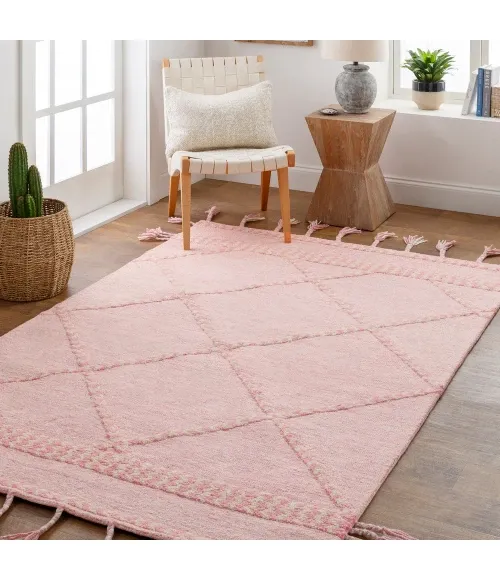
A busy home needs a rug that can handle more than just looking good. Children, pets, frequent visitors, moving furniture, and everyday foot traffic can all affect how well a rug performs over time. That is why choosing a rug for an active household should involve both design and practicality.
The right rug can make a room feel warmer, quieter and more comfortable while also helping to define the layout. However, it should suit the way the space is actually used. By considering traffic levels, material, pattern, size and maintenance, homeowners can make a more practical choice without giving up style.
Choose a Rug Based on Daily Foot Traffic
When comparing Surya rugs, start by thinking about how much activity the room receives each day. A formal guest room has very different needs from a family room, hallway or dining area.
High-traffic spaces need rugs that fit naturally into daily life. The goal is to choose something you can enjoy without constantly worrying about every footprint or minor mark.
Living rooms and shared family spaces often benefit from rugs that offer a good balance between comfort and easy styling. Bedrooms, on the other hand, may allow you to focus more on softness because they generally experience lighter traffic.
Think About the Needs of Children and Pets
Families with children or pets should consider more than color and pattern.
A rug may become a place where children sit, play or read. Pets may walk across it throughout the day. This means comfort and practical maintenance are both important.
Before deciding, consider:
-
how often the space is used
-
whether pets spend time in the room
-
the likelihood of spills
-
how frequently the rug will need cleaning
-
whether furniture is moved regularly
Thinking about these everyday situations makes it easier to select a rug that works with the household rather than against it.
Use Pattern as a Practical Design Tool
Patterns can do more than add personality to a room. They can also make busy spaces feel more relaxed.
A very light, completely plain rug may show small marks more easily. Rugs with tonal variation, subtle patterns or a combination of colors may be more forgiving in active family rooms.
The design should still work with the furniture and décor. If the sofa, curtains or cushions already include strong patterns, a quieter rug can help create balance. If the room is mostly neutral, a patterned rug can add interest without requiring other major changes.
Look for a Style That Fits Everyday Living
Homeowners considering Dalyn rugs should think about how the rug will fit into the room over time. A good family rug should not feel overly formal or difficult to live with.
The most practical option is often one that complements several design elements rather than matching one specific piece of furniture. This gives you more flexibility if you change the sofa, curtains, cushions or wall color later.
A rug that blends well with the overall space can continue to work even as the room gradually evolves.
Choose the Right Size for the Furniture Layout
Size has a major effect on both appearance and comfort.
In a living room, a rug should help connect the seating area. If it is too small, sofas and chairs may look disconnected from one another. In many layouts, having the front legs of the main furniture pieces resting on the rug creates a balanced arrangement.
For dining areas, the rug should extend far enough beyond the table for chairs to move comfortably. A rug that ends too close to the table can make pulling chairs in and out awkward.
Always measure the room and furniture before choosing a size. Painter’s tape can help you visualize the rug dimensions on the floor.
Consider Color for a Busy Household
Color should support the way the room is used.
Very pale rugs can create an open and bright appearance, but they may not be the most practical choice for every high-traffic space. Mid-tone neutrals, mixed shades or patterned designs can offer more flexibility in busy rooms.
Think about the flooring, furniture, natural light and wall color together. The rug should connect these elements rather than feeling separate from them.
A darker rug can make a spacious room feel warmer, while lighter tones can help a smaller area feel more open.
Do Not Forget Comfort
Durability matters, but a family rug should still feel comfortable.
Living rooms and bedrooms are spaces where people often sit, relax and spend long periods of time. The rug should contribute to that sense of comfort rather than simply protect the flooring.
A well-chosen rug can soften the look of hard surfaces, reduce the cold feel of bare flooring, and make shared spaces more inviting.
Conclusion
Choosing a rug for a busy family home is about finding the right balance between style, comfort and daily practicality. Start by considering how much traffic the room receives and who uses the space most often. Then think about pattern, color, size, furniture placement and maintenance.
A practical rug does not need to look plain. With careful planning, you can choose a design that suits an active household while still improving the appearance of the room.
The best choice is one that fits naturally into everyday life and continues to make the space feel comfortable, connected, and welcoming.
