

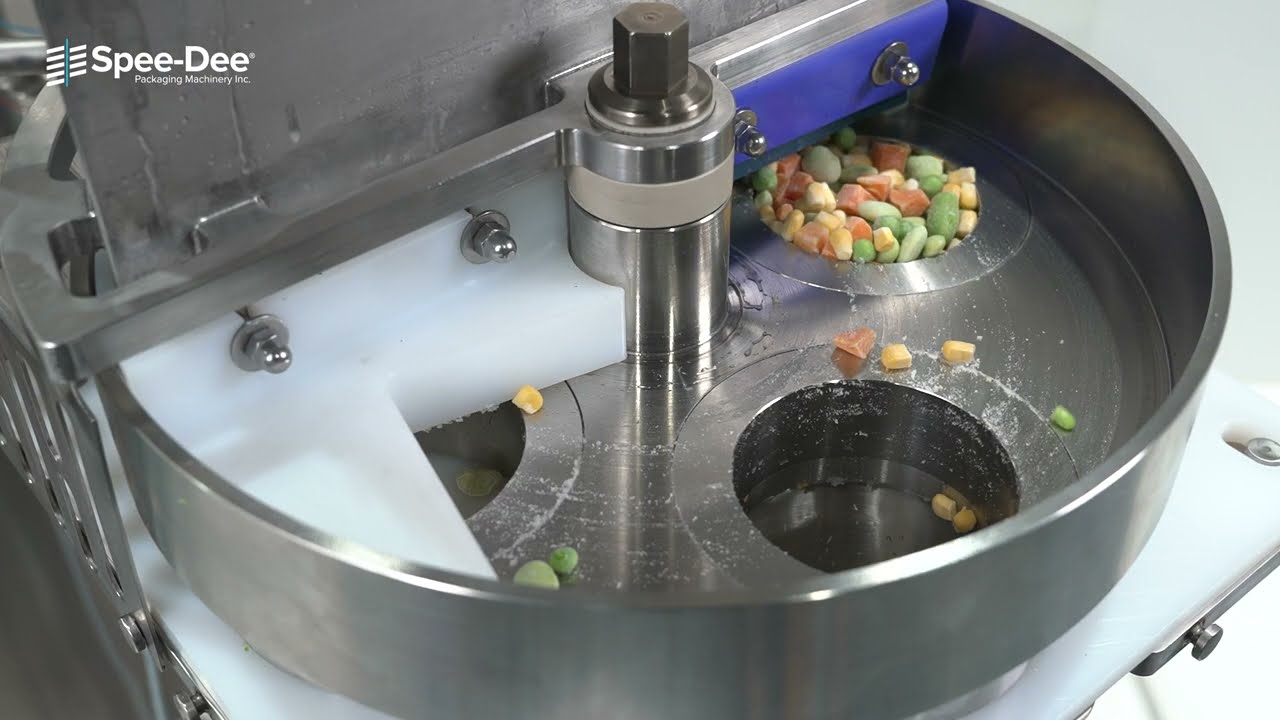
Many people expect machines to behave consistently all day. That expectation fades quickly on a real packaging floor. Auger fillers measure volume using rotating screws, which react to material texture and density shifts. Operators notice this during long runs, especially with powders that compact easily. The machine works fine, but the product rarely stays predictable for very long without attention.
Volumes are simple until they are not
Volume-based filling sounds easy on paper. Volumetric cup fillers scoop and release product using fixed cup sizes. That method works well for free-flowing granules and uniform pieces. Trouble starts when products vary slightly in size or moisture. Cups overfill or underfill quietly. Teams often adjust speeds instead of cups, which helps temporarily and confuses records later.
How material behavior controls everything
Powders cling, bridge, or aerate depending on air and vibration. Auger fillers respond instantly to those changes without explanation. A fluffy powder fills differently than the same powder after settling overnight. Volumetric cup fillers face similar issues with lightweight materials bouncing out of cups. Understanding product behavior matters more than knowing machine manuals by memory.
Changeovers take longer than planned
Switching products looks quick during sales demos. Reality stretches time. Auger fillers need auger swaps, hopper cleaning, and setting adjustments. Volumetric cup fillers require cup changes and careful alignment checks. Rushing these steps creates inconsistencies later. Teams learn to budget extra minutes upfront to avoid long troubleshooting sessions that feel endless.
Maintenance hides inside routine habits
Machines wear slowly and quietly. A slightly worn auger alters fill consistency without alarms. Auger fillers rely on alignment and smooth surfaces to stay accurate. Cups on volumetric cup fillers lose sharp edges over time, changing actual volume. Regular inspection helps, though it often gets skipped when production targets feel more urgent than long-term stability.
Operator experience shapes output
Two operators can run the same machine differently. Auger fillers reward patience and small adjustments. Overcorrecting causes wider variation. Volumetric cup fillers depend on rhythm and steady feeding. Experienced operators listen to machines instead of watching screens. That awareness comes from repetition, mistakes, and shared tips passed during shift changes.
Choosing between systems realistically
Selection depends on product, not preference. Auger fillers suit powders needing controlled flow and dust management. Volumetric cup fillers handle solids and granules efficiently at higher speeds. Budget, cleaning time, and material waste all matter. Testing with actual products reveals more than specifications ever will during early discussions.
Conclusion
Auger fillers and volumetric cup fillers both solve real packaging problems, but neither works perfectly without understanding limits. Performance depends on material behavior, maintenance habits, and operator awareness more than machine branding. Accepting variation helps teams manage it better. When evaluating or improving filling systems, take time to observe current challenges honestly. Consult with an experienced packaging equipment professional who can assess your products, environment, and production goals, then recommend practical steps that fit how your operation actually runs.
