

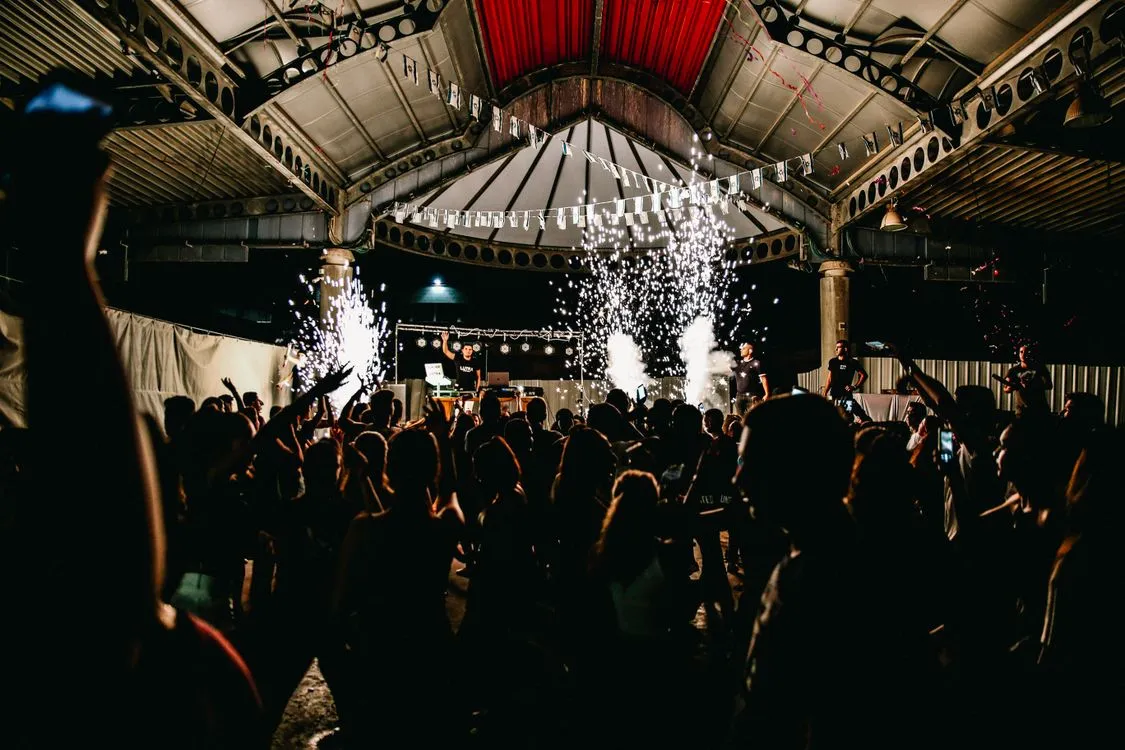
Music taste is more mixed than ever. In 2026, many listeners do not stay loyal to one genre. They move from pop to electronic music, from indie to hip-hop, from folk to dance, and from classic acts to new artists in one playlist.
That change is one reason multi-genre music festivals are thriving. These events give people more variety, more discovery, and more reasons to attend with different groups of friends.
Modern Audiences Listen Across Genres
Streaming has changed how people discover music. A person can listen to a country artist in the morning, a rap album at lunch, and a dance playlist at night. Genre lines feel less strict than they used to.
Multi-genre festivals match that habit. Instead of building the whole event around one sound, they create a wider lineup that reflects how people actually listen. One stage might host rock bands, while another features DJs, pop acts, acoustic sets, or alternative artists.
This works well for younger audiences, but it also appeals to older listeners who enjoy a mix of familiar names and new discoveries. A varied lineup makes the event feel more flexible.
Groups Can Enjoy the Same Event Together
One major reason multi-genre events are popular is group travel. Friends and families often have different music tastes. A single-genre event may only appeal to part of the group.
A mixed lineup solves that problem. One person can see a pop act. Another can watch an electronic set. Someone else can explore smaller stages or comedy areas. Everyone still shares the same weekend, even if they split up for a few hours.
This makes planning easier. Instead of debating which concert or event suits everyone, the group can choose one festival with enough options for different tastes.
It also helps the event feel more social. People can meet after sets, compare what they saw, and discover artists through each other.
Variety Keeps the Weekend Fresh
A full festival weekend can be long. Seeing the same style of music for three days can be exciting for dedicated fans, but it can also become tiring for casual attendees.
Multi-genre programming keeps the pace moving. A high-energy DJ set can follow an afternoon acoustic performance. A loud rock band can sit beside a relaxed soul act or late-night dance stage. This contrast gives the weekend more texture.
Guests can also match their schedule to their energy. They might want something calm during the day and something louder at night. A varied lineup gives them that choice.
This is one reason festivals with broad programming often feel more like full entertainment weekends than simple concert series.
Discovery Is Part of the Appeal
Many people attend multi-genre festivals for the artists they already know, but they often leave talking about someone unexpected.
Smaller stages, early time slots, and genre-specific tents help attendees discover new acts. A person who came for a headline pop artist might find a jazz group, electronic producer, indie band, or local singer they would never have searched for online.
This sense of discovery adds value. It makes the ticket feel bigger than the main lineup. Guests are not only paying to see names they already like. They are paying for the chance to be surprised.
Entertainment Extends Beyond Music
Many multi-genre festivals also include more than performances. They add food markets, comedy, wellness areas, art spaces, talks, gaming zones, film screenings, and pop-up shopping.
This broader format works because the audience is already open to variety. If people want different music styles, they may also enjoy different types of entertainment across the site.
It also helps during gaps in the schedule. Not every attendee wants to stand at a stage all day. Some may want to eat, rest, browse, watch a comedy set, or join an activity before the next performance.
A strong mix of entertainment makes the whole event feel more complete. It gives guests more ways to enjoy the day without depending only on the headline acts.
Diverse Audiences Make the Atmosphere Stronger
Multi-genre festivals attract a wider range of people. The crowd may include students, families, older fans, travelers, casual listeners, serious music fans, and people attending mainly for the overall experience.
This diversity can make the atmosphere more interesting. Different scenes, styles, and age groups come together in one place. The event feels less closed off and more open.
It can also help festivals build stronger communities. When people feel welcome even if they are not experts in one genre, they are more likely to attend, explore, and return.
Why the Format Will Keep Growing
Multi-genre music festivals are thriving because they match how people live, listen, and travel in 2026. Audiences want choice. They want shared weekends with friends. They want discovery, comfort, food, entertainment, and a lineup that does not feel too narrow.
This format gives organizers more ways to attract different guests. It also gives attendees more reasons to buy a ticket.
The strongest events will still need clear identity. A mixed lineup should feel curated, not random. When the balance works, multi-genre festivals can offer the best of several worlds in one weekend.
